


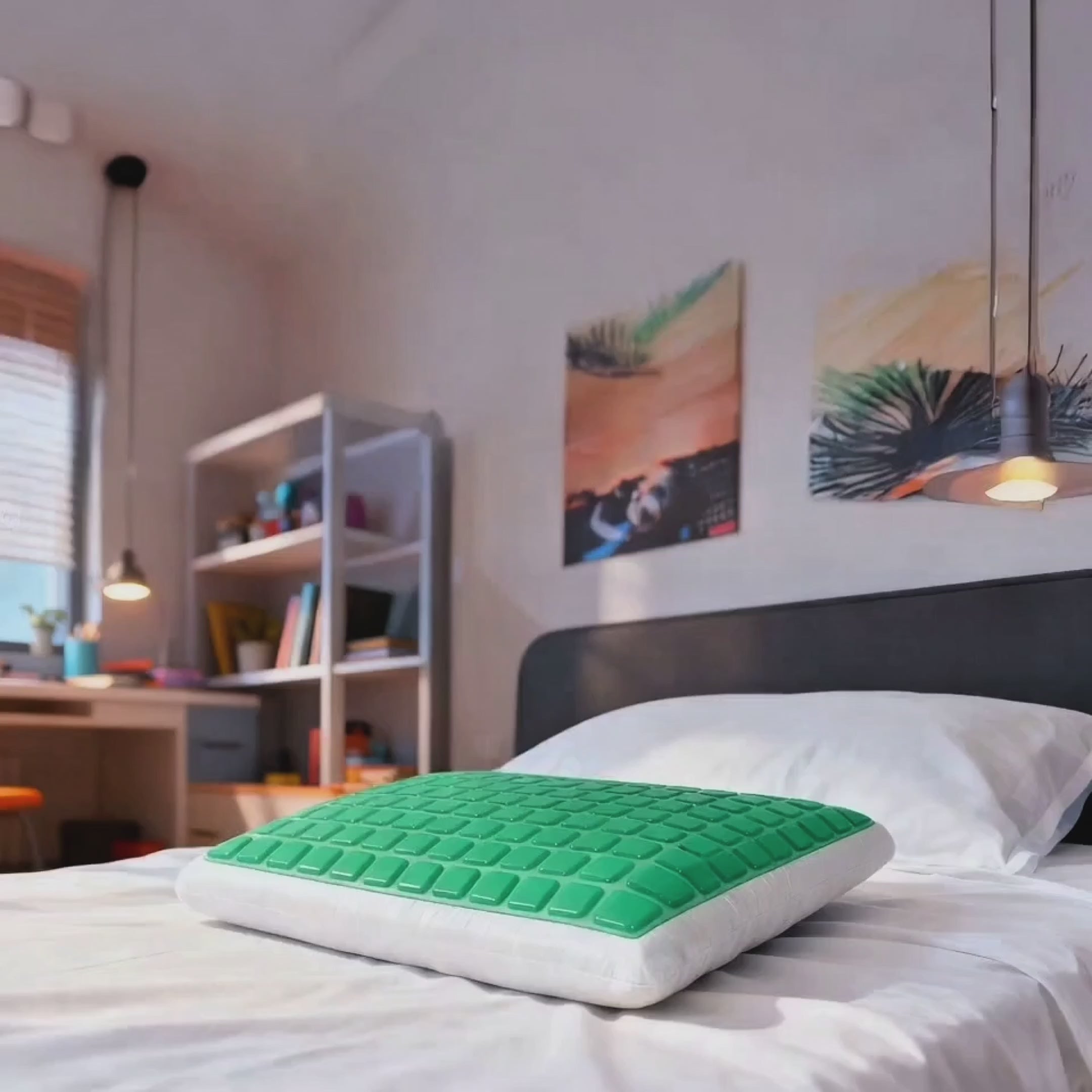


Dr. Dream Teen Neck Support Gel Pillow N200
Dr. Dream Teen Neck Support Gel Pillow N200
Couldn't load pickup availability
Features a cooling gel layer design, effectively maintaining a cool surface for the pillow
Sleep research indicates: Lowering head temperature helps you fall asleep faster and achieve deeper, higher-quality sleep
Relieves pressure and relaxes the nervous system: The cooling sensation combined with ergonomic memory foam support helps relax head and neck muscles, reducing insomnia caused by neck discomfort
The inner core features an ergonomic bread-shaped design made of high-resilience memory foam, which automatically contours to the head, shoulders, and neck to reduce pressure points and effectively soothe study-related fatigue.
Recommended age: 6 to 13 years old
The 8cm pillow height is designed based on the physique of Asian youth, offering moderate support to help maintain the natural curve of the spine
Safe ingredients and highly hypoallergenic materials
Passed German TÜV testing; free from heavy metals and other harmful substances
Tested by SGS and STC; zero formaldehyde; non-irritating to the respiratory tract, suitable for those with allergies, infants, and the elderly
Made with high-quality pillowcase fabric, 100% polyester (ice silk)
68 x 40 x 8cm


Frequently Asked Questions (FAQ)
What is an ergonomic memory foam pillow?
Designed to match the curve of the cervical spine, it uses slow-rebound memory foam to support the head and neck, reducing pressure points and helping maintain a neutral cervical spine position.
Is it useful for neck pain?
Usually helpful, provided the height and support are right for your sleeping posture; too high or too low may make the pain worse.
Why do some people find memory foam pillows uncomfortable?
Mostly due to improper height or lack of adjustment; generally, a 3–7 night adjustment period is required (depending on the individual).
How high should a pillow be for side sleeping?
Side sleeping requires filling the space between the shoulder and neck, usually requiring a higher pillow; the broader the shoulders, the higher the required height generally is.
How high should a pillow be for back sleeping?
Back sleeping should be based on "supporting the neck without pushing the head up"; a medium height makes it easier to maintain a neutral cervical spine position.
How do I choose between memory foam and latex pillows?
For "envelopment + slow rebound + pressure distribution" → memory foam; for "elastic support + quick rebound" → latex.
Is it suitable for those with rhinitis (nasal allergies)?
Choosing skin-friendly, hypoallergenic pillowcases and removable/washable designs is more suitable; also, wash pillowcases regularly and keep the pillow dry.
Will it feel stuffy?
It is possible, but breathable structures (perforations/air channels/breathable covers) can significantly reduce the feeling of stuffiness.
How often should a pillow be replaced?
Generally every 18–36 months, depending on frequency of use and degree of sagging; replace if it is clearly deformed or support has decreased.
Can memory foam pillows be washed with water?
Most pillow cores are not recommended for washing; the pillowcase is removable and washable, while the core should generally be air-dried or ventilated to remove odors (follow brand instructions).
How can I self-test if a pillow is suitable?
When back sleeping, the neck should be supported without the chin being pushed toward the chest; when side sleeping, the head and neck should remain level without sagging or tilting.
Who is it most recommended for?
People who spend a lot of time looking down, move around often while sleeping, experience shoulder/neck tension, wake up with neck pain, or want to improve their sleep quality will feel the most benefit.
